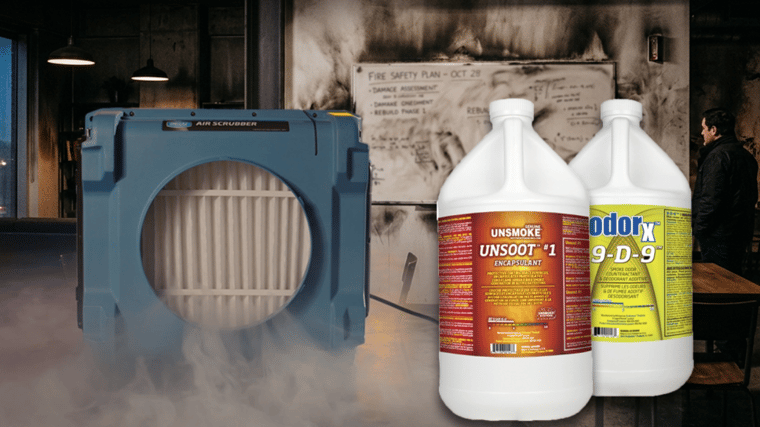
Smoke damage restoration is a meticulous process that requires the right techniques, tools, and products to ensure complete odor elimination and surface protection. Whether you're dealing with light soot or heavy smoke contamination, understanding the science behind cleaning and deodorizing is essential for achieving professional results. This guide combines expert insights to help you navigate the complexities of smoke damage restoration.
Choosing the Right Cleaning Process
The effectiveness of your cleaning process depends on several factors, including the material composition, surface texture, the nature of the residue, and the severity of soot contamination. Here are some key considerations:
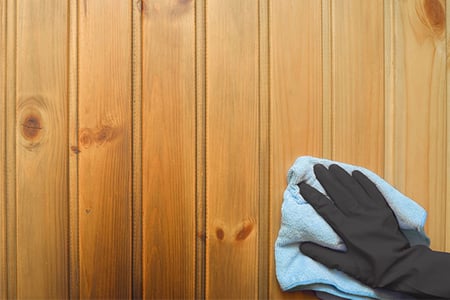
- Wet Cleanable Surfaces: These include most woodwork, doors, door frames, and semi-gloss or gloss-painted surfaces. However, avoid aggressive cleaning techniques on acoustical textured ceilings, as they can deteriorate.
- Products for Specific Surfaces: Use Unsmoke Degrease-All for gloss and semi-gloss painted surfaces and Unsmoke Wall Wash for flat or semi-gloss painted walls and trim.
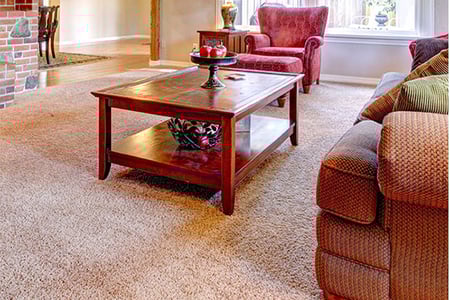
- Preparation is Key: Before cleaning, wrap, box, and pack out fragile items. Remove furniture, draperies, wall decorations, and framed articles to prevent damage.
The Step-by-Step Cleaning Approach
Regardless of the cleaning method, follow this structured approach for optimal results:
- Start at the Ceiling: Begin cleaning from the topmost surfaces,
- Work Downward: Progress to upper, middle, and lower structural surfaces, finishing with the floor.
- Exception for Walls: When washing painted walls by hand, clean from bottom to top to avoid streaking, followed by dry toweling.
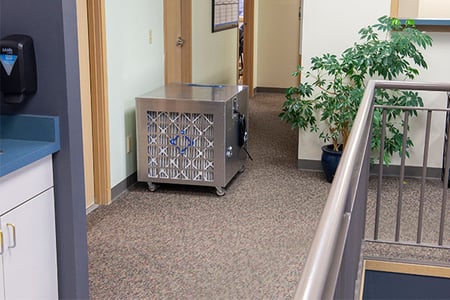
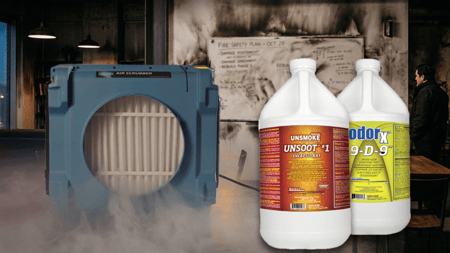
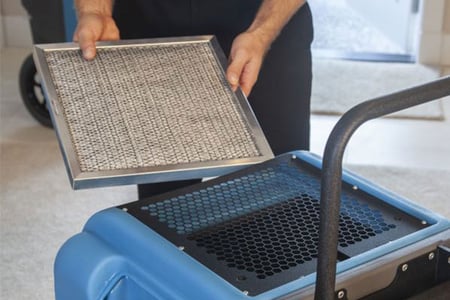
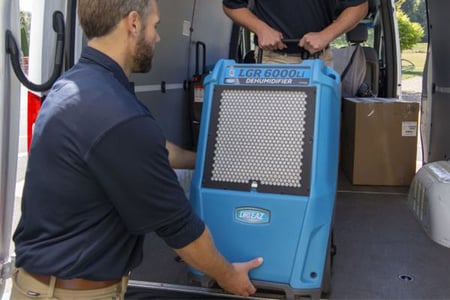
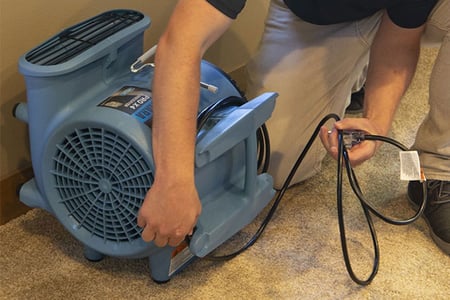
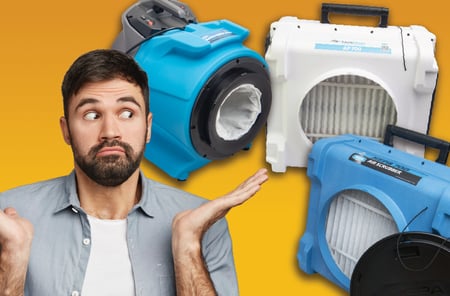
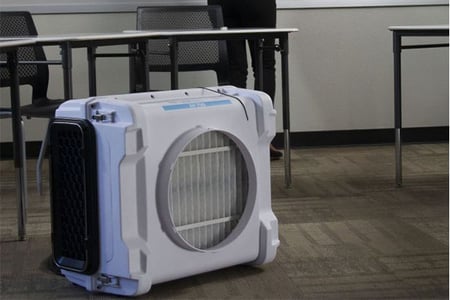
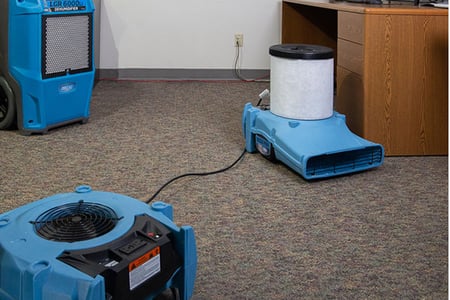
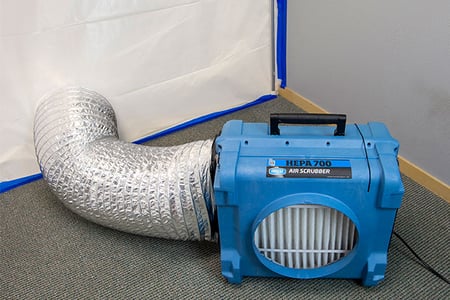
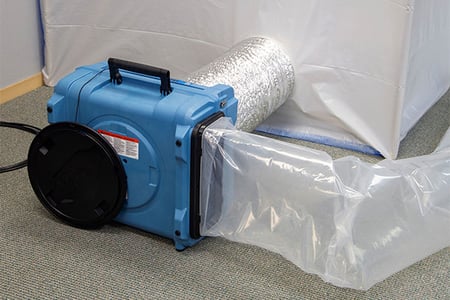
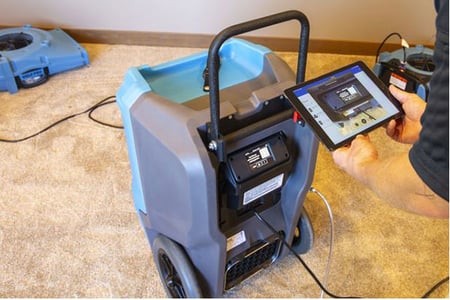
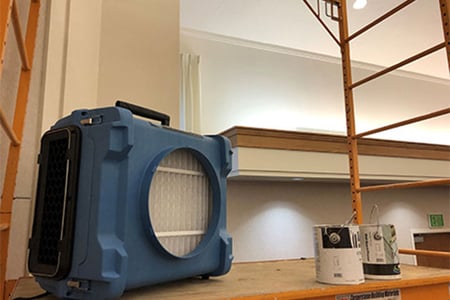
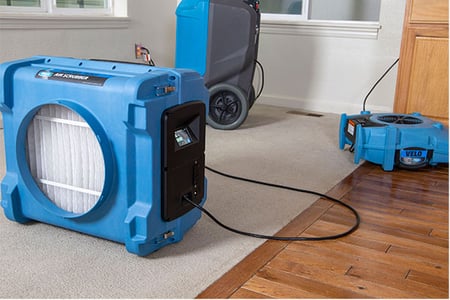
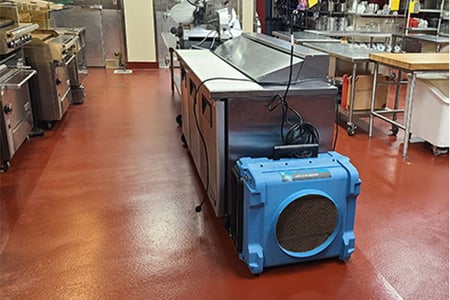
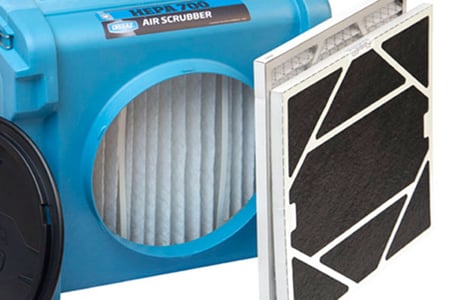
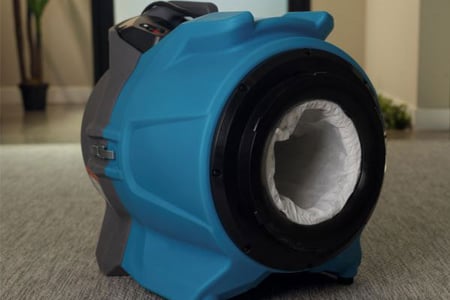
For air quality during restoration, use a HEPA air scrubber like the Dri-Eaz HEPA 700, which removes 99.99% of particulates as small as 0.1–0.5 microns, ensuring the air is free of fine smoke and soot particles. Pair this with activated carbon filtration to address odors and gaseous contaminants that HEPA filters alone cannot capture. Carbon filters are especially effective at adsorbing smoke odors, VOCs, and other airborne residues, making them a critical component for achieving complete air quality restoration—not just particulate removal.
The Science of Deodorizing Pre-Sealers
Cleaning alone often falls short of addressing embedded odors and particulate matter. This is where a deodorizing pre-sealer, such as the combination of Unsoot #1 Encapsulant and 9-D-9 Smoke Odor Counteractant, becomes invaluable.
How it works:
- Unsoot #1 forms a protective coating over contaminated surfaces, trapping soot particles and preventing them from becoming airborne.
- 9-D-9 neutralizes odor molecules, creating a dual-action approach for immediate and long-term odor control.
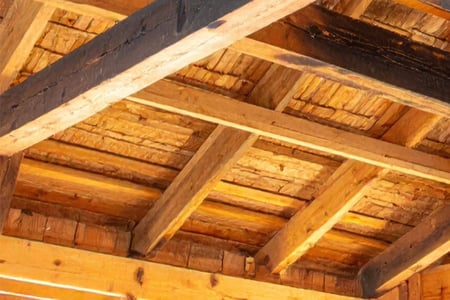
- Where to Use: Apply this solution on unpainted structural surfaces like concrete, brick, and wood products. It’s a critical step in the restoration process, complementing other methods such as thermal fogging, air washing, and wet cleaning.
Mixing and Applying the Deodorizing Pre-Sealer
Follow these steps for consistent and effective application:
- Prepare the Solution:
- Mix 1 gallon of Unsoot #1 with 1 quart of 9-D-9 in a clean 5-gallon container.
- Add clean water to reach a total volume of 5 gallons. For severe odors, include up to 5 ounces of Last Resort Plus.
- Stir thoroughly to ensure even distribution.
- Application Techniques:
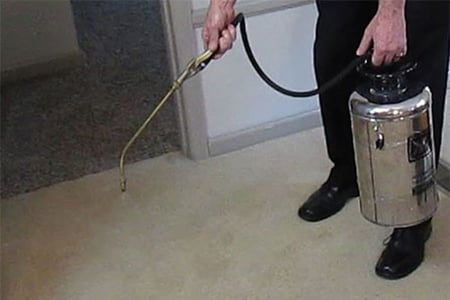
- Use a commercial airless paint sprayer or electric sprayer for even coverage.
- Apply in overlapping passes, focusing on cracks, crevices, and textured areas.
- Maintain proper ventilation and control environmental factors like temperature and humidity for optimal drying.
- Coverage: The solution covers 500–750 square feet per gallon, depending on surface porosity.
Troubleshooting and Safety Tips
- Coverage Issues: If the solution beads up, clean the surface again to remove residual products before reapplying.
- Persistent Odors: Ensure all restoration steps are completed. If odors persist, reapply the pre-sealer with the recommended additives.
- Equipment Maintenance: Clean spray equipment immediately after use to prevent clogging and buildup.
Always wear appropriate personal protective equipment (PPE) and dispose of waste materials according to local regulations.
Maximizing Restoration Success
Incorporating a deodorizing pre-sealer into your smoke damage restoration process adds significant value. This dual-action solution not only encapsulates soot particles but also neutralizes odors, ensuring lasting results. By following these best practices, you’ll achieve consistent outcomes, avoid call-backs, and build a reputation as a skilled restoration professional.
Want to sharpen your fire and smoke restoration skills even further?
Restoration Sciences Academy offers IICRC-approved classes designed to help restoration professionals build confidence in the field, understand the science behind the process, and apply proven techniques on real jobs. From cleaning and deodorization to product selection and best practices, RSA training helps technicians turn knowledge into consistent, professional results.
Explore upcoming Restoration Sciences Academy IICRC classes to keep building your expertise in smoke, odor, and restoration science.
.png?width=450&name=twojobs%20(2).png)
.png?width=450&name=Untitled%20(34).png)













.jpg?width=450&name=email_387159171-(2).jpg)



.jpg?width=450&name=werner_microscrope-(2).jpg)
.jpg?width=450&name=custcommentcard_210417437-(2).jpg)

.jpg?width=450&name=winespill-(2).jpg)
.jpg?width=450&name=uptool_stairs2-(2).jpg)
.jpg?width=450&name=inkexit_extract1-(2).jpg)





.jpg?width=450&name=reminder_postcard_postimage-blog-(2).jpg)






.jpg?width=450&name=cigarette-smoke_1222816192-(2).jpg)
.png?width=450&name=LB.Com%20Blog%20Image%20Template-1%20(1).png)