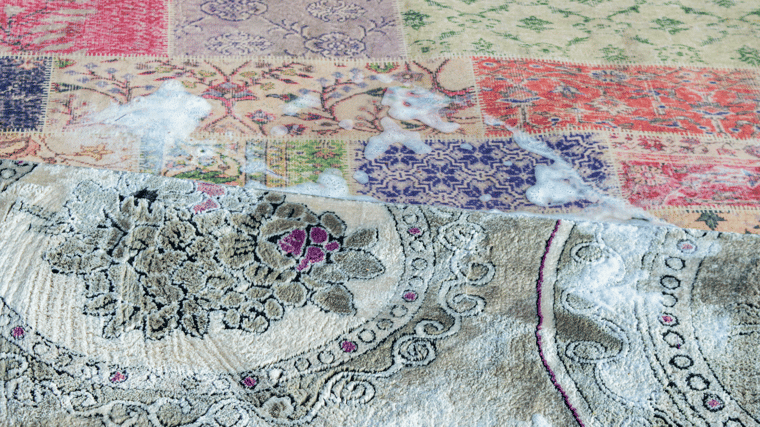
Sticky carpet, rapid re-soiling, and recurring spots after cleaning are among the most common customer complaints., and they often trace back to a single cause: what was left behind after the job was done. Rinsing is often treated as just the final step in the cleaning process, but it plays a major role in how carpet and upholstery look, feel, dry, and perform well after the technician leaves.
While pre-sprays, cleaning agents, heat, agitation, and dwell time all help separate soil from the fiber, the loosened soil must still be thoroughly removed. Rinse and extraction remove that loosened soil, along with cleaning residues, minerals, and other contaminants.
Think of it like washing your hair. Shampoo helps loosen oils, dirt, and other contaminants, but rinsing is what actually removes them. Carpet and upholstery cleaning work the same way: the rinse step helps complete the cleaning process by removing the soil and contaminants that the cleaning chemistry has loosened.
The following principles can help technicians improve extraction performance, reduce residue-related callbacks, and deliver cleaner, longer-lasting results for their customers.
1. REMEMBER WHAT THE RINSE STEP IS SUPPOSED TO DO
Rinsing is not simply adding water at the end of the job. It is the removal step.
During cleaning, pre-spray and agitation break the bond between soil and fiber. Heat and dwell time give the chemistry time to work effectively. Once soil has been loosened and suspended, the rinse and extraction step removes it from the carpet or upholstery.
When rinsing is rushed, incomplete, or mismatched to the cleaning chemistry being used, material that should have been extracted stays behind. Those leftover soils, residues, and contaminants may affect the appearance, texture, drying characteristics, and long-term performance of the carpet or fabric.
2. WHAT GETS LEFT BEHIND WHEN RINSING IS INCOMPLETE
Incomplete rinsing can leave several types of residues in carpet and upholstery, including:
-
Suspended soil
-
Detergent or surfactant residue
-
Alkaline residue
-
Minerals from water
-
Oily soil
-
Residue from previous cleanings
Each of these can affect the carpet or upholstery differently, and in some cases, more than one type of residue may be present in the same job.
This residue may not be visible immediately. A carpet or fabric may look clean while it is still damp but develop problems only after drying. As moisture evaporates, residue can remain on or near the fiber surface, affecting appearance or texture, and can increase the material's tendency to re-soil over time.
Residue can affect how light reflects from fibers, making carpet or fabric appear duller than it should. Residual soil can also contribute to rapid re-soiling: Many cleaning agents are designed to attract and suspend soil during the cleaning process. If residue remains in the fiber, it may continue attacking soils, oils, and particulate matter after cleaning is complete – especially noticeable in traffic lanes, entryways, commercial spaces, and upholstery exposed to body oils, or food soils, and frequent use.
From the customer's perspective, rapid re-soiling can feel like the cleaning didn't last or was ineffective. From the technician’s perspective, it can mean callbacks, additional service visits, and questions about the quality of the cleaning job.
3. MATCH RINSE CHEMISTRY TO THE JOB
Rinse selection should match the cleaning chemistry, soil load, fiber or fabric type, water conditions, and product the manufacturer’s directions. Do not assume every job requires the same rinse approach.
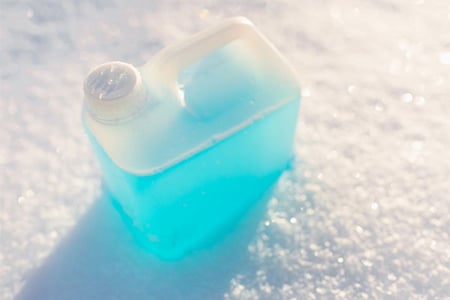
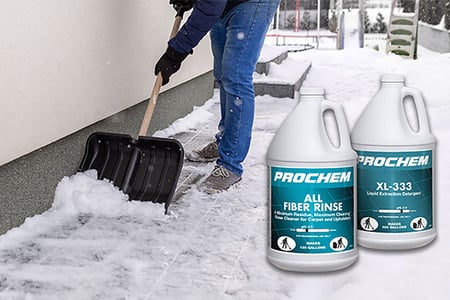
In many carpet cleaning situations, an acid-side rinse can help neutralize alkaline residues left by pre-sprays and detergents while promoting more complete removal of detergent residues, suspended soil, and mineral deposits. This can leave fibers cleaner, softer, and less likely to attract soil. Products such as Prochem All Fiber Rinse are formulated for this purpose, helping technicians remove residues while leaving fibers in a cleaner, more balanced fiber condition.
This is similar to why a conditioner may be used after shampooing hair. Shampoo removes oils and soils, while conditioner and helps improve the hair's final feel and condition. In carpet cleaning, the right rinse chemistry can help support a cleaner, softer, and more balanced final result.
However, not every alkaline product behaves the same way, and not every situation calls for the same follow-up chemistry. Some products are formulated to leave less problematic residue when used according to directions. The best rinse choice depends on the complete cleaning system: pre-spray, extraction method, dilution ratios, fiber or fabric type, soil conditions, water quality, and manufacturer recommendations all play a role in determining the most appropriate rinse.
4. ADJUST THE PROCESS FOR CARPET VS. UPHOLSTERY
Carpet and upholstery both benefit from proper rinsing, but they require different approaches.
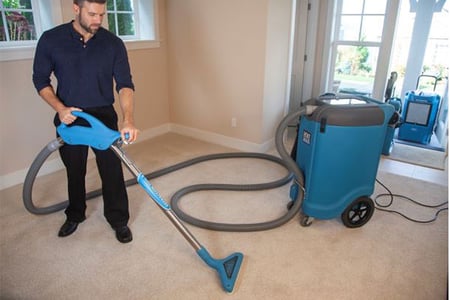
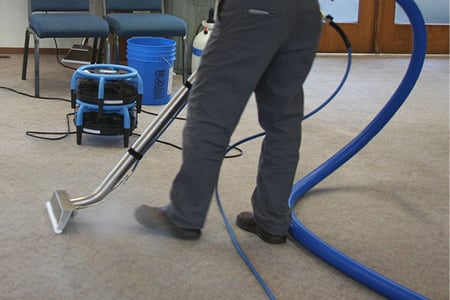
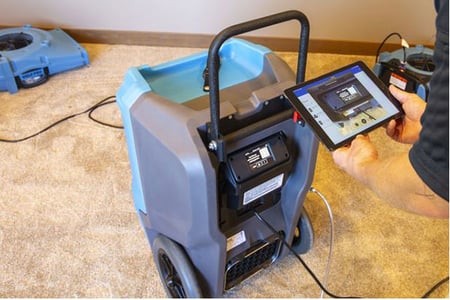
For carpet, pay close attention to soil load in traffic lanes, residues deep in the fiber base, and extraction technique. Make extra dry passes in heavily soiled areas – this helps remove moisture and reduce suspended soil or residue left behind – and dry the carpet promptly after wet extraction.
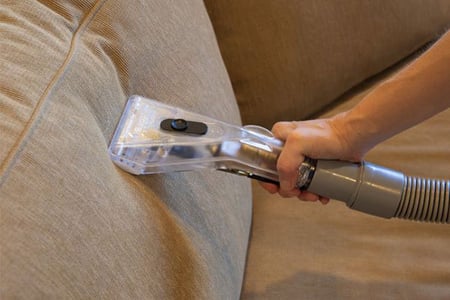
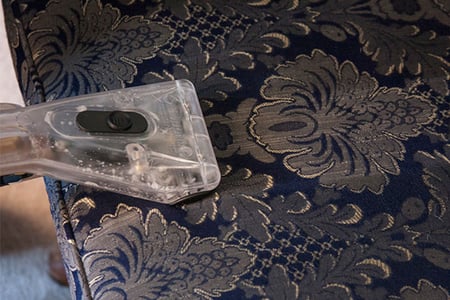
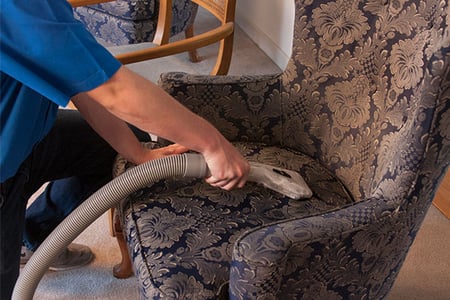
For upholstery cleaning, use added caution, upholstery fabrics vary widely, and the safest and most effective rinse process will depends on the specific material being cleaned. Pretest when possible and consider:
-
Fiber type
-
Dye stability
-
Fabric construction
-
Moisture sensitivity
-
Manufacturer directions
-
Customer sensitivity concerns
Residue is also a customer comfort issue with upholstery. Seating surfaces have more direct skin contact with skin far more than carpet and often collect body oils, hair products, lotions, and food-related soils. If detergent or cleaning residue is left behind in the fabric, it can contribute to rapid re-soiling as well as potential customer sensitivity concerns. The goal is not only to remove soil, but to leave the fabric clean, stable, and free of unnecessary residue while carefully controlling moisture levels throughout the process.
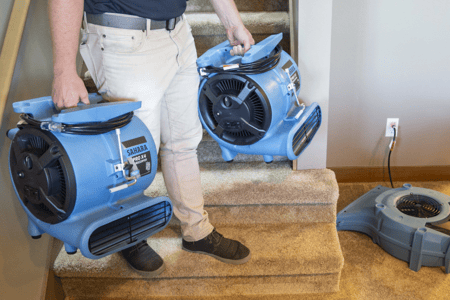
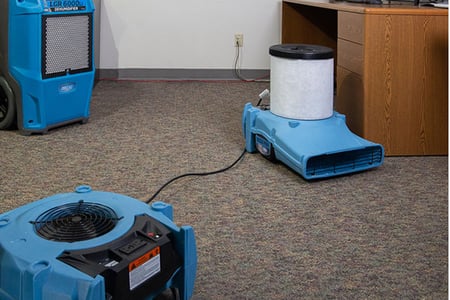
Regardless of the surface, drying time matters. The longer carpet or upholstery stays wet after extraction, the more opportunity suspended soil and residue have to migrate back toward the surface. Prompt, thorough drying is the final step in protecting the rinse and extraction work that has just been completed.
5. WARNING SIGNS YOUR RINSE PROCESS NEEDS IMPROVEMENT
Several issues can indicate that the rinse process, extraction process, or drying process need to be adjusted:
-
Carpet or upholstery feels sticky, stiff, or crunchy after drying
-
Traffic lanes re-soil quickly
-
Spots reappear after cleaning
-
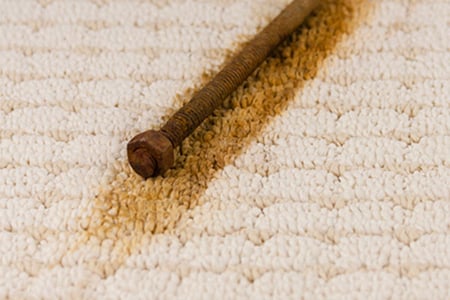
Brownish areas or wicking appear as the material dries
-
Fabric or carpet looks dull after cleaning
-
Customers report odors or residue-related concerns
-
Similar callbacks occur repeatedly across multiple jobs
When these issues occur, review the entire cleaning process. Look at the pre-spray, dilution ratios, dwell time, agitation, rinse chemistry, extraction technique, dry passes, and drying conditions. The problem may not be the rinse alone, but the rinse step is often where incomplete removal becomes visible.
BETTER RINSING SUPPORTS BETTER RESULTS
A strong rinse process helps remove the soil, minerals, and residue that cleaning chemistry has loosened. It also supports better texture, brighter appearance, slower re-soiling, and fewer callbacks.
Rinse with intention and match the rinse agent to the job. Extract thoroughly, make extra dry passes where needed, and dry the material promptly. When the rinse step is handled correctly, carpet and upholstery are not just cleaner when the technician leaves – they stay that way.
For more training on professional cleaning processes, product selection, and field best practices, explore courses from Legend Brands’ Restoration Sciences Academy.
.png?width=450&name=twojobs%20(2).png)
.png?width=450&name=Untitled%20(34).png)





















.jpg?width=450&name=email_387159171-(2).jpg)




.jpg?width=450&name=werner_microscrope-(2).jpg)
.jpg?width=450&name=custcommentcard_210417437-(2).jpg)

.jpg?width=450&name=winespill-(2).jpg)

.jpg?width=450&name=uptool_stairs2-(2).jpg)
.jpg?width=450&name=inkexit_extract1-(2).jpg)





.jpg?width=450&name=reminder_postcard_postimage-blog-(2).jpg)








.jpg?width=450&name=cigarette-smoke_1222816192-(2).jpg)
.png?width=450&name=LB.Com%20Blog%20Image%20Template-1%20(1).png)