BUILDING A MORE CONSISTENT CLEANING PROCESS
For many cleaning business owner-operators, the way they handle a job becomes second nature. They stock the van a certain way, arrive looking professional, confirm the work to be done, and speak with the customer before getting started. From there, they follow a consistent cleaning process and finish with a complete final walkthrough before packing up.
But those habits often develop through years of experience. A new technician won’t automatically know every detail or approach a job exactly the way someone more experienced would. Finding a technician who thinks about the client, cleans to the same standards, and cares about the company exactly as the owner does is rare.
A standardized cleaning process helps turn those expectations into a system every technician can follow. It can support more consistent cleaning results, help control chemical and operating costs, and create a more professional and predictable customer experience.
And the process starts well before the actual cleaning begins.
1. START WITH A READY-TO-WORK VEHICLE
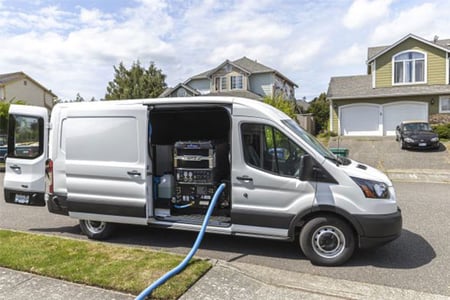
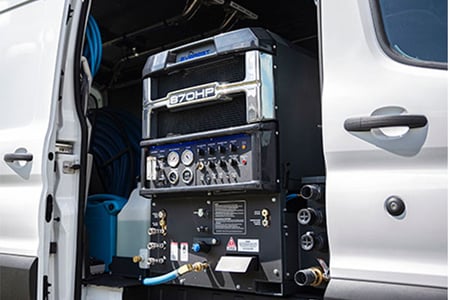
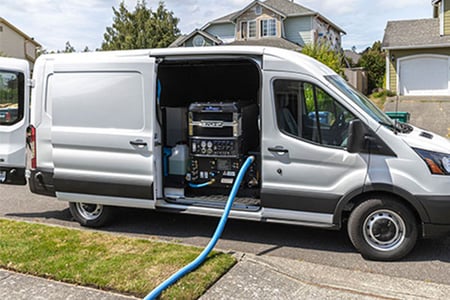
A productive day can be lost before the first job even begins if technicians spend the morning looking for chemicals and cleaning tools, replacing vacuum bags, fueling the van, or gathering supplies.
One way to avoid that scramble is to make vehicle preparation part of the standard process. Rather than leaving those tasks for the start of the next shift, technicians can complete a checklist at the end of each workday, ensuring the van is ready to go the next morning.
The checklist may include:
-
Fueling the van and cleaning unit
-
Cleaning the van inside and out
-
Restocking chemicals
-
Wiping down and properly storing tools
-
Emptying or replacing vacuum bags
-
Emptying and rinsing the waste tank
-
Emptying and rinsing the filter basket
-
Turning in used spotting towels and restocking clean ones
The specific checklist will vary by company, but the goal is the same: technicians begin each day with a clean, stocked, ready-to-work vehicle.
2. STANDARDIZE THE CUSTOMER’S FIRST IMPRESSION
The cleaning process begins the moment the technician arrives:
-
Technicians arrive well-groomed and wear the standard company uniform.
-
Vehicles are parked professionally, with permission requested before using a customer’s driveway.
-
When the customer answers the door, the technician smiles, introduces themselves, reviews the work order, and confirms that the information is correct.
Even details like asking permission to place a clean tarp near the entrance and stage equipment inside can be part of a company’s standard approach.
3. FIND OUT WHAT MATTERS MOST TO THE CUSTOMER
Before starting the cleaning process, technicians should ask whether the customer has any areas they're especially concerned about. Often, that concern is the reason the customer called for service in the first place. From the customer’s perspective, it may be the most important part of the job.
Knowing those concerns early also gives the technician an opportunity to manage expectations. If a spot, stain, worn area, or other condition could affect the final result, discuss it with the customer before cleaning begins.
Technicians also explain what the customer can expect to see, hear, and experience during the service. This can be particularly helpful for customers who have never had their carpets professionally cleaned.
4. DEFINE THE CLEANING PROCESS – AND FOLLOW IT CONSISTENTLY
Once the job is set up and customer expectations are clear, the technical cleaning process begins. This is where standardization can have the greatest impact on cleaning performance, chemical use, efficiency, and results.
A defined process gives technicians a consistent sequence to follow while still leaving room to select the chemistry and tools appropriate for the carpet and soil conditions.
The Cleaning Sequence
Pre-vacuum the carpet. Dry soil removal is an important first step. About three-quarters of the soil found in carpet is not water soluble and should be removed in its dry form through thorough vacuuming.
Select a pre-spray based on the fiber and soil load. More chemistry is not automatically better. A lightly soiled residential carpet may not require a high-pH pre-spray or an enzyme product. Technicians should be trained to match the product to the fiber type and the amount of soil present.
Work in manageable sections. Pre-spray should remain wet long enough for the cleaning process to continue. Rather than treating an entire house at once, apply only as far ahead as the technician can clean before the product dries. If pre-spray dries before the technician gets to it, another application adds unnecessary detergent to the fibers.
Agitate the pre-spray into the carpet. A counter-rotating brush (CRB) machine can make this step faster and more aggressive, although brushes or carpet rakes may also be used depending on the job.
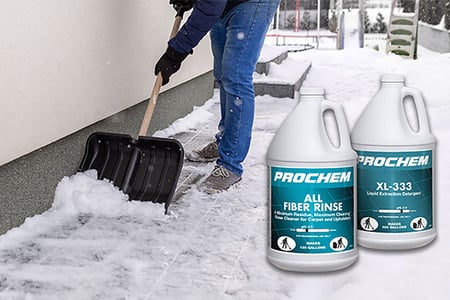
Choose the appropriate rinsing agent. Rinse chemistry should match the cleaning conditions. For example, an acid rinse such as Prochem All Fiber Rinse may be used for light- to medium-soil residential cleaning, while an alkaline rinse such as Prochem Dry Slurry may be appropriate for heavier soil loads or commercial settings.
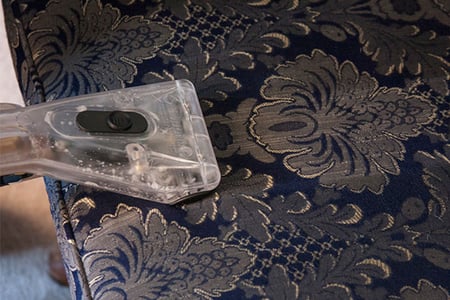
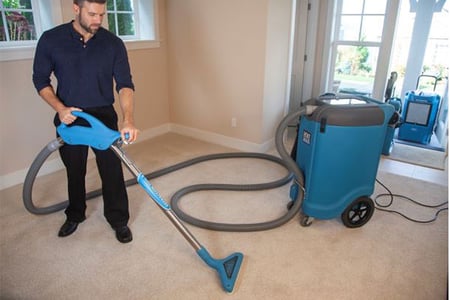
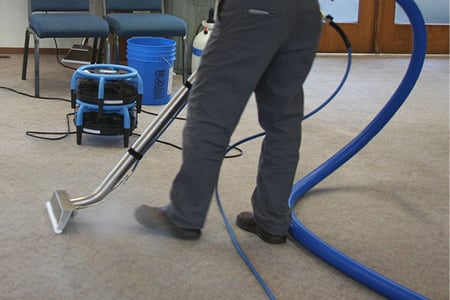
Rinse and extract rather than scrub with the wand. The extraction wand is designed to rinse the carpet and recover soil suspended by the pre-spray and agitation. Follow extraction passes with additional dry strokes – without triggering solution – to remove as much moisture as practical.
Address remaining spots and stains. After the general cleaning process, inspect for areas that require additional spot or stain removal and treat them as needed.
Groom the carpet. If the carpet has a visible nap or pile, grooming with a rake or CRB can help remove wand marks and leave the fibers positioned more evenly for drying.
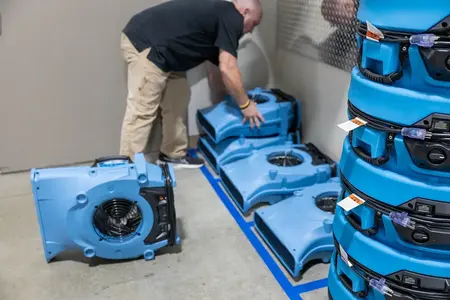
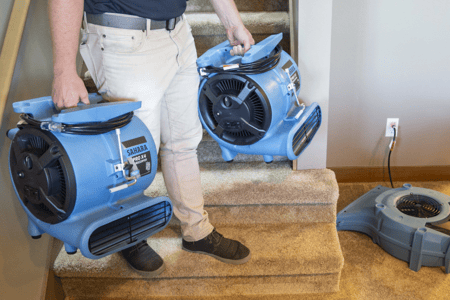
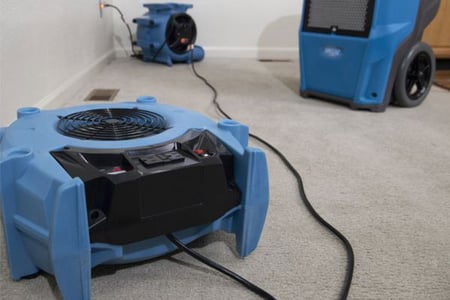
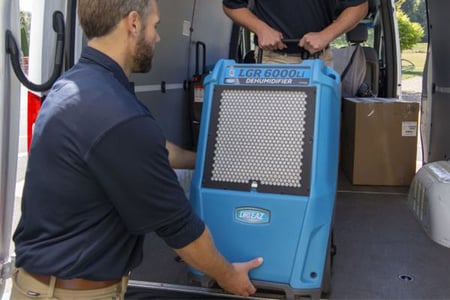
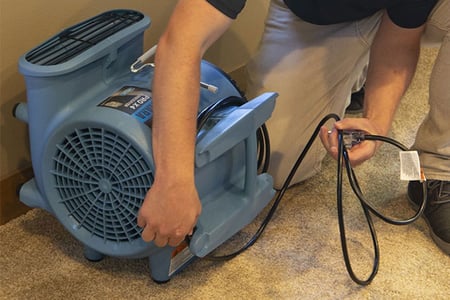
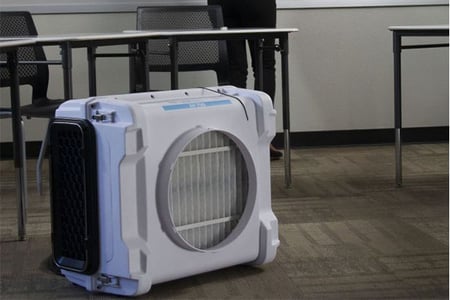
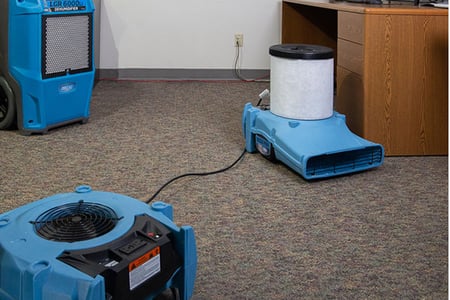
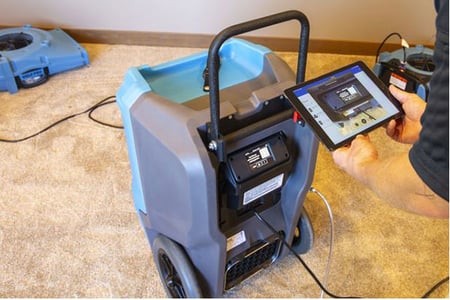
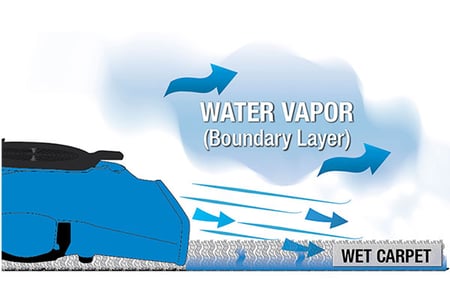
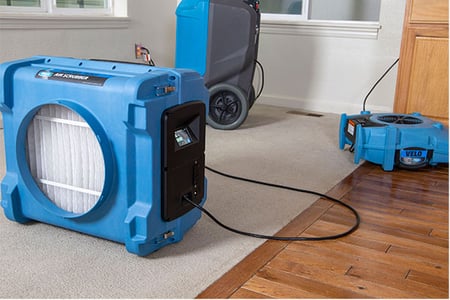
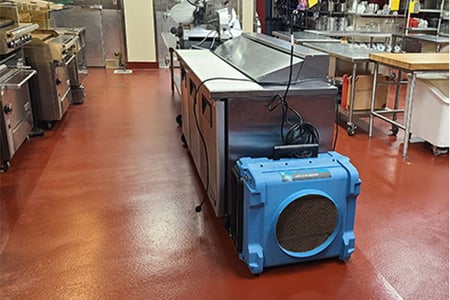
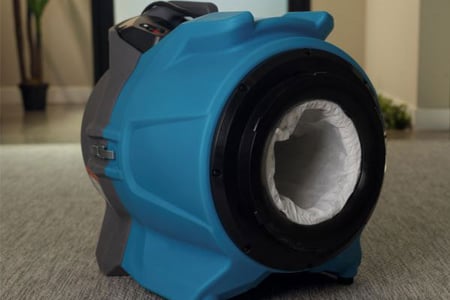
Begin drying as each area is completed. Placing an airmover, such as a Dri-Eaz Dri-Pod, in completed rooms can help accelerate drying while the technician continues working elsewhere.
Standardizing this sequence doesn’t mean treating every carpet the same. Fiber type, soil load, chemistry, and site conditions still require professional judgment. The value of a standardized process is that every technician starts with the same core process and knows where job-specific decisions need to be made.
5. MAKE THE FINAL INSPECTION PART OF THE PROCESS
The job isn’t finished when the last cleaning pass is complete. A post-cleaning walkthrough gives the technician and customer an opportunity to inspect the results together and address any remaining concerns.
One practical rule that can make this step much easier: keep the equipment set up until the walkthrough is complete. If the customer asks for additional attention on a spot or area after everything has been packed away, the technician may have to set up the equipment again.
During the walkthrough, technicians can revisit areas the customer identified at the beginning of the job, inspect the overall results and address anything that needs additional attention. Once the inspection is complete and the customer is satisfied, the technician can put the equipment away and thank the customer for the opportunity to provide the service.
A STANDARDIZED PROCESS SUPPORTS GROWTH
As a cleaning company grows, a defined process becomes increasingly valuable. It gives owners and managers a clear standard for training and coaching, while helping new technicians understand from day one how the company expects a job to be handled.
Over time, a shared process can shorten the learning curve, reduce avoidable chemical and operating costs, and help maintain a professional, consistent customer experience- ensuring that service quality doesn’t depend solely on who is performing the job.
Build technical skills and reinforce consistent cleaning practices with Restoration Sciences Academy cleaning courses, available through in-person and virtual training options.
###
%20(1).png?width=450&name=Rogue_Blog_Post_Image%20(600%20x%20400%20px)%20(1).png)
.png?width=450&name=twojobs%20(2).png)
.png?width=450&name=Untitled%20(34).png)














.jpg?width=450&name=email_387159171-(2).jpg)



.jpg?width=450&name=werner_microscrope-(2).jpg)
.jpg?width=450&name=custcommentcard_210417437-(2).jpg)


.jpg?width=450&name=winespill-(2).jpg)

.jpg?width=450&name=uptool_stairs2-(2).jpg)

.jpg?width=450&name=inkexit_extract1-(2).jpg)







.jpg?width=450&name=reminder_postcard_postimage-blog-(2).jpg)








.jpg?width=450&name=cigarette-smoke_1222816192-(2).jpg)
.png?width=450&name=LB.Com%20Blog%20Image%20Template-1%20(1).png)