An unexpected truckmount breakdown can throw an entire workday off schedule. Whether a crew is preparing for a commercial cleaning job or extracting water at a restoration site, equipment failure can lead to lost time, and costly repairs.
Routine preventive maintenance helps reduce these risks through regular inspections, cleaning, and scheduled servicing. These proactive steps extend equipment life, minimize downtime and keep the truckmount ready for the next job.
Although maintenance requirements vary by manufacturer and model, the fundamentals remain the same. The key is following them consistently.
START WITH DAILY HABITS
Spending a few minutes before and after each workday is often enough to catch minor issues early, helping prevent costly repairs and unexpected downtime.
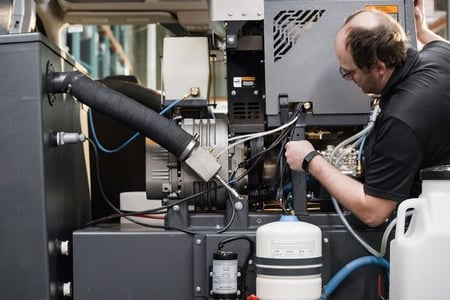
Check fluid levels. Before starting the machine, check engine oil, water pump oil, and vacuum blower oil levels according to the manufacturer’s instructions. Proper lubrication protects these hardworking components from unnecessary wear. On liquid-cooled models, check the coolant level as well.
Inspect hoses, belts, and connections. Look for fluid leaks, loose fittings, damaged hoses, and other signs of wear. Visually inspect drive belts for cracks, heat glazing, excessive wear, or improper tension. A worn belt or seeping fitting is easy to address in the shop than in the middle of a job.
Keep the area around the machine clear. Remove tools, trash, carpet pad scraps, and other materials from around the truckmount. Debris can block cooling airflow and contribute to overheating, while combustible materials left near hot exhaust components create a potential fire hazard.
Clean recovery tank filters and lint baskets. During a busy day of cleaning or extraction, lint, fibers, and other debris can accumulate in the recovery tank's filter and strainer basket. This buildup restricts airflow and reduces vacuum performance. Clean these components at the end of each workday.
Rinse the recovery tank and vacuum hoses. Flushing out accumulated soil, sediment, and debris to keep the recovery system functioning properly and help prevent the buildup that leads to odors, restrictions, and premature deterioration.
Follow end-of-day lubrication and shutdown procedures. Lubricate the vacuum blower using the lubricant and method specified for your truckmount, and complete any other shutdown steps the manufacturer calls for. Depending on the model, this may also include flushing the chemical system with fresh water.
DON’T OVERLOOK PERIODIC MAINTENANCE
Some components don’t require daily attention but still need regular cleaning, inspection, adjustment, or replacement. Depending on the equipment, periodic maintenance may include:
-
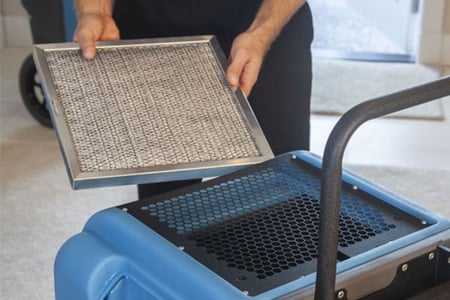
Cleaning or replacing engine air filters to maintain proper airflow
-
Inspecting and cleaning water pump strainers and other filters
-
Checking electrical connections, wiring, and battery components
-
Inspecting water and chemical delivery systems for leaks, restrictions or wear
-
Cleaning and inspecting recovery tank float switches and related controls
A partially clogged strainer can restrict water flow, while a dirty air filter can interfere with engine performance. Because these problems may develop gradually, making them easy to overlook until performance suffers.
LET THE HOUR METER GUIDE SCHEDULED SERVICE
Many maintenance tasks, including engine oil and filter changes, water pump and vacuum blower service, drive belt tension adjustments, and other maintenance tasks are often tied to operating hours rather than calendar dates. The hour meter is one of the most useful tools on the truckmount, tracking operating hours, helping operators determine when scheduled service is due.
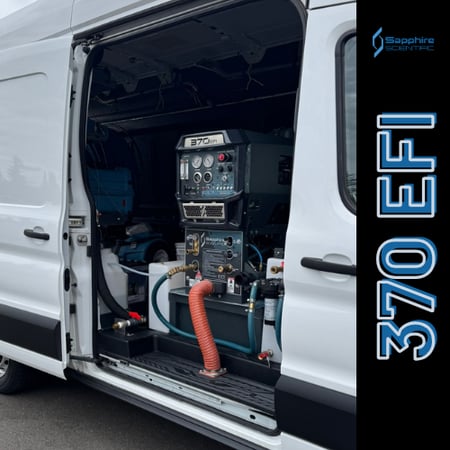
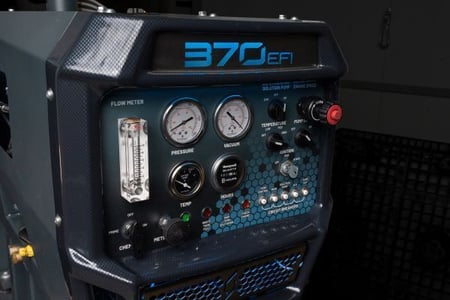
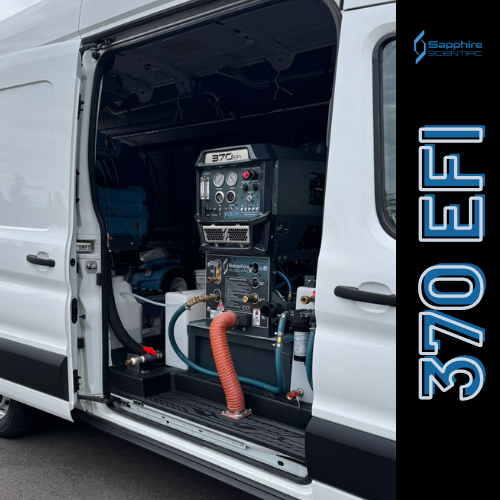
Intervals and procedures differ depending on the engine, components, and equipment design. For example, the Sapphire Scientific 370 EFI truckmount has a 300-hour engine oil and filter change interval when using the specified Kohler PRO Extended Life oil and filter. Other truckmounts may require more frequent changes, so always confirm the correct service schedule and materials in the owner’s manual.
A service log makes all of this easier to manage. Recording completed service helps operators track service history, anticipate upcoming maintenance, and document compliance with the manufacturer’s recommendations.
PROTECT AGAINST PREVENTABLE DAMAGE
Some of the most expensive truckmount problems come from conditions that operators can control. Three areas deserve particular attention.
-
Hard-water scale. Minerals in hard water build up inside the solution system over time, restricting flow and interfering with equipment operation. In areas with hard water, a properly sized water softener helps prevent scale buildup and related damage. Follow the manufacturer’s water-quality recommendations and maintenance protocols.
-
Overheating. Engines and other truckmount components generate substantial heat during operation. Dust, dirt, and debris accumulating around radiators or cooling air intakes can interfere with heat dissipation. Keep these areas clean and unobstructed, and watch for signs of overheating.
-
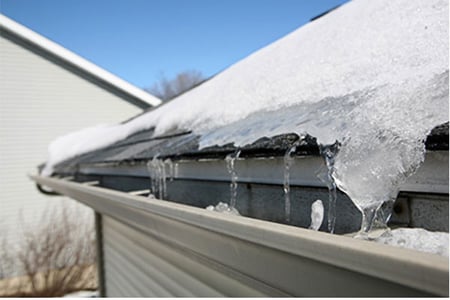
Freezing temperatures. Water trapped inside pumps, hoses, valves, and other components can freeze, expand, and crack parts. The resulting damage may require costly repairs and take the machine out of service. Whenever equipment may be exposed to freezing temperatures during operation, transportation, or storage, follow the manufacturer’s freeze-protection procedures. This is especially important when machines are stored in vehicles during cold weather.
MAKE MAINTENANCE PART OF THE ROUTINE
A maintenance program only works if it’s followed consistently. Establish clear procedures and assign responsibility for completing them. A daily checklist ensures the essential inspections and cleaning get done no matter which technician is running the equipment.
Keep records of routine checks, completed service, and any developing concerns. Over time, these records reveal recurring issues and make upcoming maintenance easier to plan.
Know when a problem requires professional attention. Unusual noises, persistent leaks, and changes in vacuum or pressure warrant a closer look. An authorized service center can provide assistance with repairs and service procedures that require specialized expertise.
A consistent maintenance routine takes some time, but it’s a small investment compared with the cost of unexpected downtime. Daily inspections, scheduled service, and accurate records help keep truckmounts running reliably and crews ready for the next job.
For help with parts or repair questions, visit Legend Brands Service and Technical Support for troubleshooting guides, service videos, and live support.